WHY MOODSPACE
Afamily method for healthy check-in habits.
MoodSpace supports families through the first-phone years, when screen time rises and daily life gets busy. This page shares the deeper philosophy, practical method, and day-to-day framework behind MoodSpace.
Core Idea
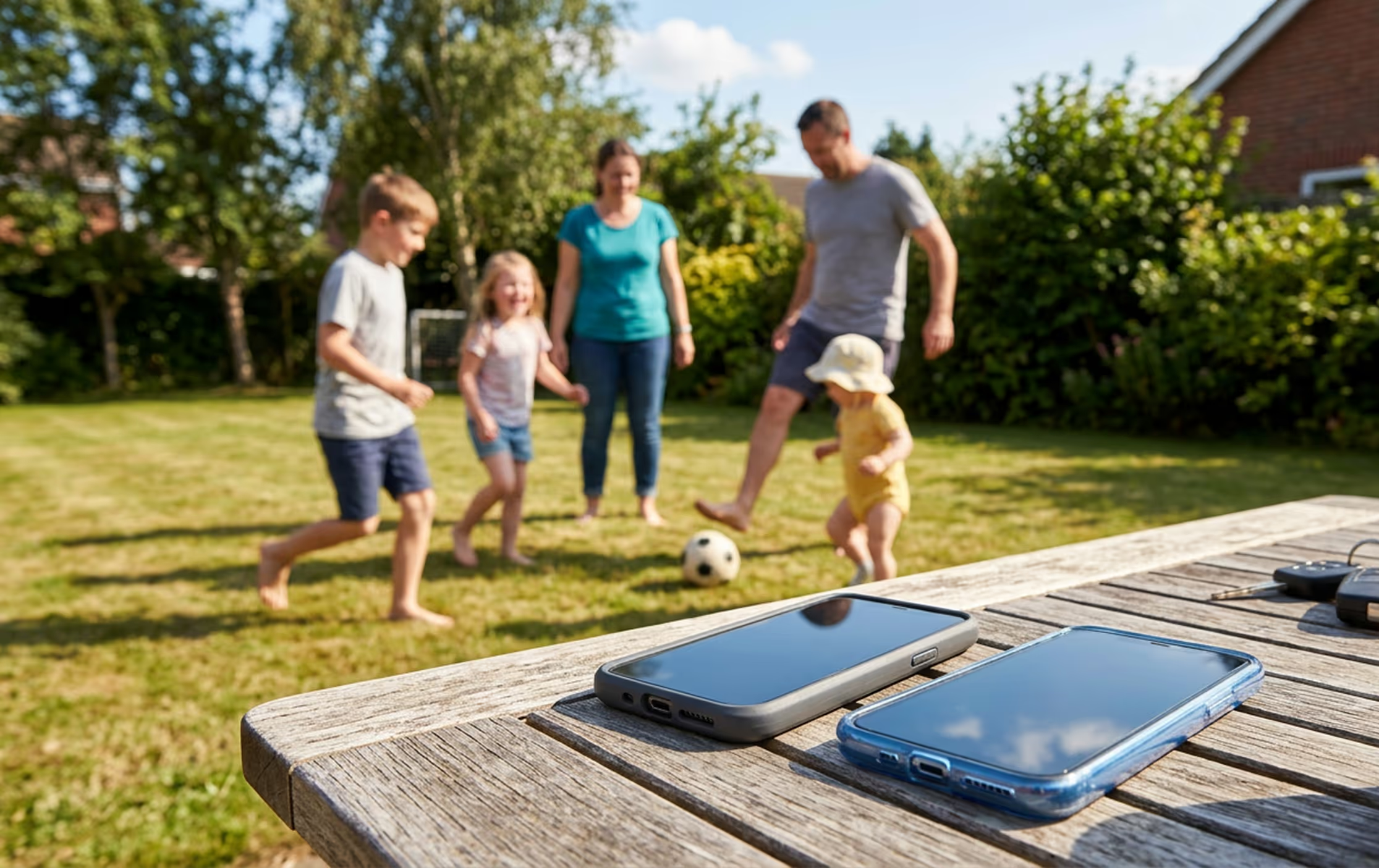
Support before correction. MoodSpace helps families build emotional language, daily reflection, and calm check-in habits, especially when children are out or absorbed in screens.

Why MoodSpace, in more detail
The product is intentionally simple on the surface, but built around deeper developmental principles: emotional naming, habit loops, parent attunement, and low-pressure communication.
01
Emotional literacy first: Kids often feel a lot before they can explain it. Daily mood check-ins give them a safe vocabulary to name feelings without needing perfect words.
02
Consistency over intensity: One small check-in each day is more effective than occasional deep conversations. MoodSpace favors repeatable habits over one-off interventions.
03
Signal without pressure: Parents receive meaningful emotional signals without interrogation. Kids keep agency while still being seen and supported.
Consistency pays off —
literally.
MoodSpace gives kids a reason to check in every day. Each check-in earns mood points. Keep it up and unlock goals set by you, their parent. Then redeem them for rewards you choose.

Daily emotional check-in loop
A short daily rhythm builds self-awareness: mood selection, optional note, quick review. Repetition normalizes emotional expression and lowers resistance over time.

Parent reflection window
Parents view trend data instead of isolated moments. This helps distinguish a tough day from a difficult week, making support more accurate and less reactive.

Reward-assisted motivation
Points and parent-approved rewards reinforce consistency. The reward system is not about performance; it is about encouraging healthy habits and shared commitments.

Low-friction family communication
When children are not ready to talk face-to-face, they can still connect through a simple message. This preserves trust and keeps conversations open.

About Rochanna
From an early age, Rochanna felt called to teaching. She began working in childcare centres from age 14, completed her degree, and by age 20 was already working full-time in early childhood education.
Years in ELC classrooms and leadership gave her a close view of a growing challenge: children and parents often love each other deeply, but busy schedules and digital habits can crowd out regular emotional check-ins.
That lived experience shaped her vision for MoodSpace: an app that gives children simple language for feelings, while giving parents a gentle way to notice how their child is doing without pressure, judgment, or constant questioning.
At its core, Rochanna sees MoodSpace as a support tool, not a control tool. The goal is to build daily emotional awareness, strong communication habits, and trust that lasts through each stage of childhood.
Talking feelings on More FM

A private chat that stays in the family.
After a check-in, your child can share their mood directly with you through in-app messaging. At a sleepover, away on a trip, or having a rough day at school — they can connect or check in whenever they need to, without having to say it out loud.
Parents control who their child can message, keeping things safe and focused on family connection.
How does this help with screen time concerns?
Rather than battling over screen limits, MoodSpace shifts the focus to emotional connection. When children feel seen and heard daily, screen-related tension often decreases naturally because the relationship stays strong.
What makes this method different?
It combines child-led expression, relationship-first parenting, and practical daily structure. This mirrors educational approaches that prioritize belonging, agency, and meaningful engagement.
Why start from the first phone?
The first-phone moment sets family norms. If healthy communication habits are built early, they are much easier to keep during adolescence.
Why include rewards?
Consistency is hard at first. Rewards help establish the habit, then the emotional benefits and communication confidence become the longer-term motivation.
Is this about monitoring kids?
No. MoodSpace is designed around guided emotional awareness and parent-child trust. The goal is to create a safe language for feelings, not control behavior through pressure.